
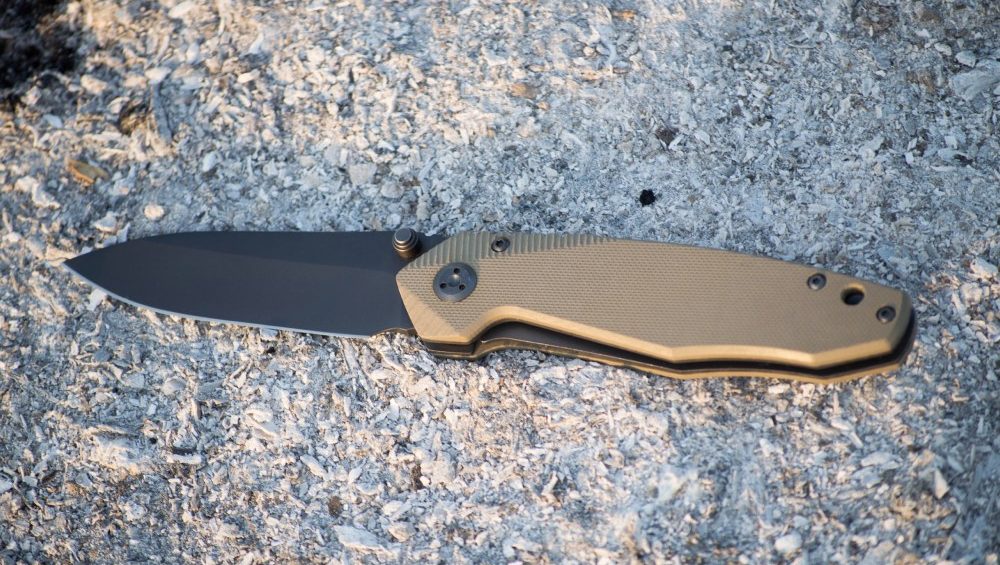
Personal safety often raises difficult questions, and one of the most common is whether it is ever appropriate to carry a blade for protection, and how to use a knife for self-defense without putting yourself or others at greater risk.
Exploring this topic responsibly means focusing on prevention first, understanding legal boundaries, and recognizing that a knife is a last-resort option meant to create an opportunity to escape, not to escalate a situation.
This guide’s goal is not to teach combat, but to help you understand when defensive tools may be appropriate, how to handle them safely, and how to stay within legal boundaries.
Self-Defense as a Last Resort
Self-defense is about creating an opportunity to escape harm, not engaging in a fight. The safest outcome in any threatening situation is getting away unharmed. Defensive tools, including knives, are only considered when avoidance, verbal boundaries, and escape routes are unavailable.
A knife used for self-defense should be viewed as an emergency option. Carrying one does not remove the responsibility to act with restraint, judgment, and respect for the law. Empowerment comes from preparation and awareness, not escalation.
Legal Awareness Comes First
Laws governing knives vary widely by location. Some jurisdictions restrict blade length, concealment, or the intent behind carrying a knife. Others regulate how and when a knife may be used, even in self-defense situations.
Before carrying any defensive tool, it is essential to understand local regulations. Focus on general principles rather than legal jargon: carry only what is permitted, use only what is reasonable for protection, and never carry a knife with the intent to harm. Responsible self-defense always aligns with legal standards and proportional response.
Choosing a Defensive Tool Mindfully
Not all knives are appropriate for self-defense. Safety, ease of control, and reduced risk of self-injury should guide your choice. Many people prioritize compact, purpose-designed tools that emphasize retention and defensive positioning rather than aggressive capability.
Some individuals prefer alternatives or complementary options from modern self-defense products designed for runners and everyday carry. For example, tools such as the Go Guarded Hand-Held are designed to be comfortable, discreet, and easy to manage without requiring constant grip strength or complex movements.
Safe Handling and Grip Awareness
Understanding how to hold a knife for self-defense safely is about control and injury prevention, not attack techniques. A secure grip reduces the risk of dropping the tool or injuring yourself under stress.
Focus on a neutral, stable grip that keeps your fingers away from the blade and maintains wrist alignment. Avoid over-gripping, which can cause fatigue and reduce control. The priority is maintaining awareness of where the blade is at all times and ensuring it never points toward your own body.
When people ask how to hold a knife self-defense style, the answer should always emphasize safety, retention, and minimizing risk rather than demonstrating strikes or movements.
Body Positioning and Defensive Mindset
Your stance and mindset matter more than the tool itself. Keep your body oriented to protect vital areas and maintain balance. Distance is critical. Defensive posture focuses on creating space, setting boundaries, and preparing to disengage.
A knife should never be used to pursue or intimidate. Its role is strictly defensive, aimed at deterring an immediate threat long enough to escape. Maintaining situational awareness and calm decision-making reduces the likelihood of panic-driven actions.
Training Without Promoting Harm
Responsible training emphasizes legal context, stress management, and personal safety rather than combat techniques. Look for instruction that prioritizes avoidance, verbal assertiveness, and tool retention under stress.
Training should also include understanding physiological responses, such as adrenaline and reduced fine motor control. This knowledge reinforces why simplicity, safety, and restraint are essential when considering any defensive tool.
Considering Hands-Free and Runner-Friendly Options
For runners and active individuals, hands-free defensive tools often feel more practical and empowering. Products designed for movement allow users to maintain natural motion without constantly adjusting their grip.
Female-founded, law-enforcement-designed solutions have shifted the focus of self-defense products toward comfort, confidence, and accessibility. These designs recognize that empowerment comes from tools that fit seamlessly into real life, not from intimidating equipment.
Avoiding Common Mistakes
One of the most common mistakes is overestimating what a knife can do. A knife does not guarantee safety and can increase risk if handled improperly or without awareness of the legal consequences.
Another mistake is neglecting practice. Even basic familiarity with grip, posture, and stress response can improve safety. Equally important is avoiding fixation on the tool itself rather than on escape and situational awareness.
Ethical Responsibility in Self-Defense
Ethical self-defense prioritizes preserving life, including your own. Any defensive action should be proportional, necessary, and immediately followed by disengagement.
Understanding how to use a knife for self-defense responsibly means accepting the serious responsibility that comes with carrying a potentially harmful tool. Empowerment includes knowing when not to use it.
Building a Personal Safety Plan
A comprehensive safety plan includes awareness strategies, route planning, communication habits, and trusted contacts. Defensive tools are only one component of a broader approach to personal security.
Consider layering protection with practical, discreet options that suit your lifestyle. Many people find confidence in tools that are intuitive and comfortable, allowing them to focus on prevention rather than reaction.
Confidence Through Preparedness
Preparedness builds confidence, and confidence reduces vulnerability. Knowing your options, understanding legal limits, and choosing tools designed with safety in mind can help you feel more secure without escalating risk.
Empowerment does not come from fear, but from informed choices and calm readiness.
Empowered Safety Starts with Responsibility
Safe and legal self-defense is about awareness, restraint, and choosing tools that support escape rather than confrontation. A knife should only ever be considered within a framework of legality, training, and ethical responsibility.
At Go Guarded we believe in empowering people through thoughtfully designed self-defense products that prioritize comfort, confidence, and real-world practicality.
We design solutions with runners and everyday users in mind, helping our community feel protected without sacrificing freedom or peace of mind. Visit our online store and take the next step in your personal safety journey.


